Purdue Pharma’s opioid prosecution enables bankruptcy settlement | Opinion
- Chemical
Fallon Wolken
- 0
- 3 minutes read
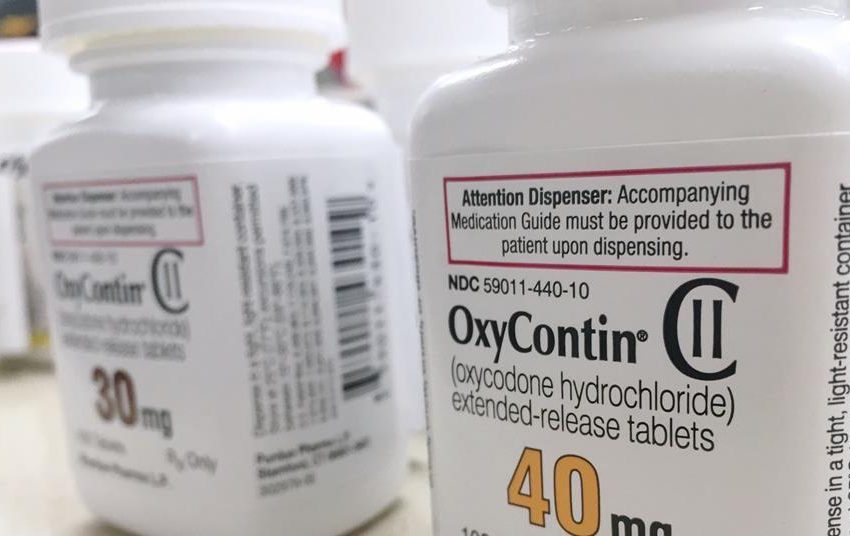
On 28 April, a US federal court sentenced Purdue Pharma to pay over $5 billion (£3.7 billion) in criminal penalties for its aggressive and misleading marketing of opioid drugs including OxyContin (oxycodone), which contributed to the US opioid addiction epidemic. The ruling is the last necessary step before Purdue can proceed with its approved bankruptcy deal, settling lawsuits with various state, local and tribal governments, as well as thousands of individuals affected by OxyContin mismarketing. More than 54,000 people with personal injury claims accepted the settlement; about 200 opted out.
Under the deal, Purdue will be dissolved and replaced by a new non-profit company, Knoa Pharma, whose revenues will be directed towards combating the ongoing effects of opioid addiction. Purdue’s owners, the Sackler family, will also contribute up to $7 billion over 15 years. Payments to individual victims are expected to range from about $8000 to about $16,000. And while the Sacklers will be protected from further lawsuits from claimants who have accepted settlement deals, it does not provide any broader protection from future claims. Previous attempts by the Sacklers to secure a bankruptcy deal had sought to grant them extensive immunity from civil claims.
However, while this ruling and the ensuing bankruptcy will resolve Purdue’s liabilities, the deal will reportedly exclude many of those affected by Purdue’s drugs. A change to eligibility criteria for claims – requiring documentary evidence of prescriptions or other medical records – has drastically reduced the number of claimants from nearly 140,000 initial claims. In many cases, prescription evidence is no longer available given the elapsed time. The new deal also excludes claimants who bought OxyContin on the street, who had previously been eligible to claim based on sworn affidavits.
For many of the victims and their families, a cash settlement does not constitute justice for their loss. There are still plenty who would like to see the Sackler family personally prosecuted. However, any such case would likely take years to litigate. The majority of claimants have accepted this deal to bring the long-running struggle – with its mounting legal fees – to an end, and begin distributing some funds to benefit communities affected by the opioid crisis.